
Heat Pump Installation Service
Keep You Comfortable
A Greener Solution for Heating and Cooling
Energy Reduction
Heat pumps can reduce energy consumption compared to electric resistance heating such as furnaces and baseboard heaters.
Environmental Benefits
Fossil fuels made up more than 70% of greenhouse gas emissions related to residential space heating in 2019. By switching to a heat pump, you can help reduce emissions and improve air quality.
Comfort
As well as keeping you warm or cool, a heat pump can help dehumidify a room when on cooling mode to keep you comfortable even on the hottest summer days.
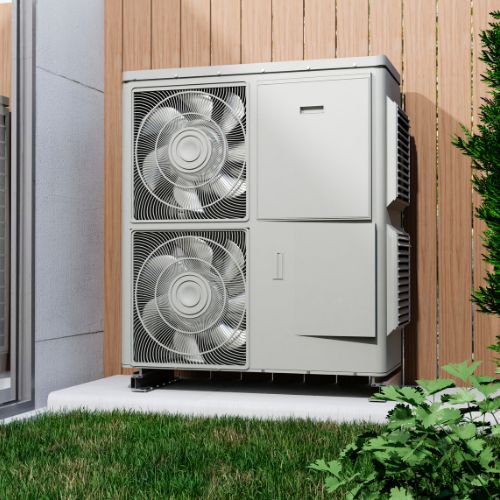
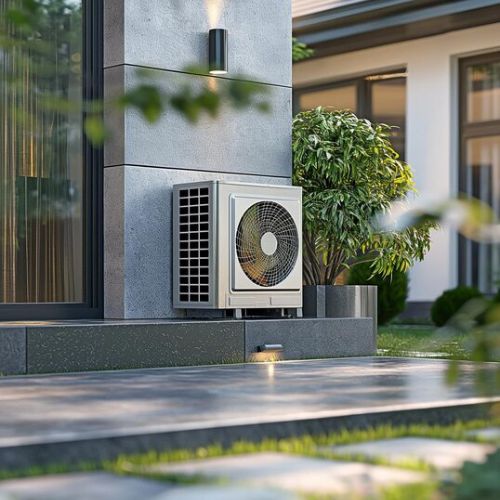
Extract Heat From Outdoor Air
How Do Air Source Heat Pumps Work?
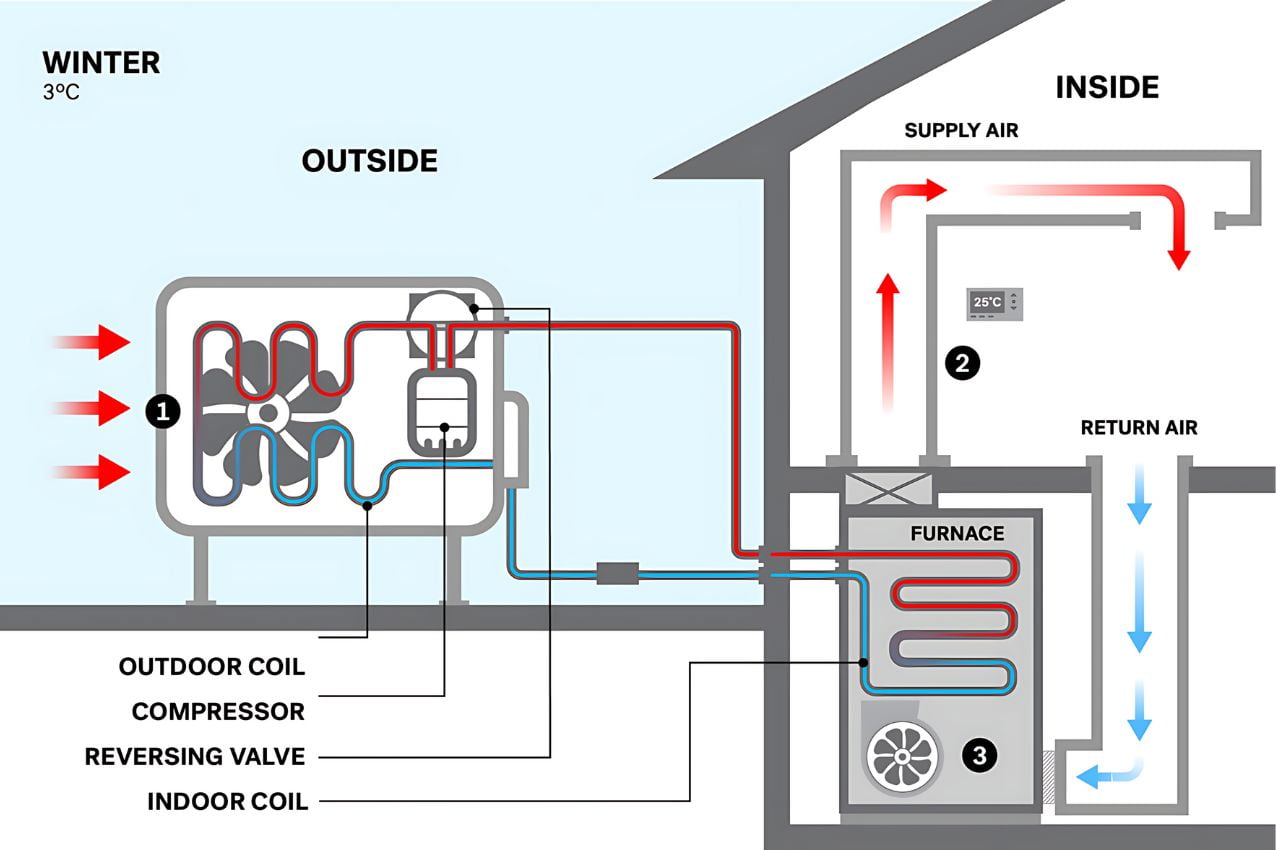
Unlike most heating systems, air source heat pumps move heat from one area to another. In the summer, the heat pump cools interior spaces by pulling heat from inside and sending it outside. In cold weather, the heat pump extracts heat from outdoor air and transfers it inside.
Because there’s less heat available to extract from the cold air outside during the winter months, air source heat pumps are typically most effective at heating your home during the milder shoulder seasons. Most units become less effective when outdoor temperatures drop below -10˚C, so you need a backup heat source to get through the coldest part of the year. Effective backup heat sources include energy-efficient gas furnaces and electric baseboard heating.
How It Operates?
Central/Hybrid Heat Pump System
For homeowners looking to heat and cool their entire home
Unlimited Source Of Energy
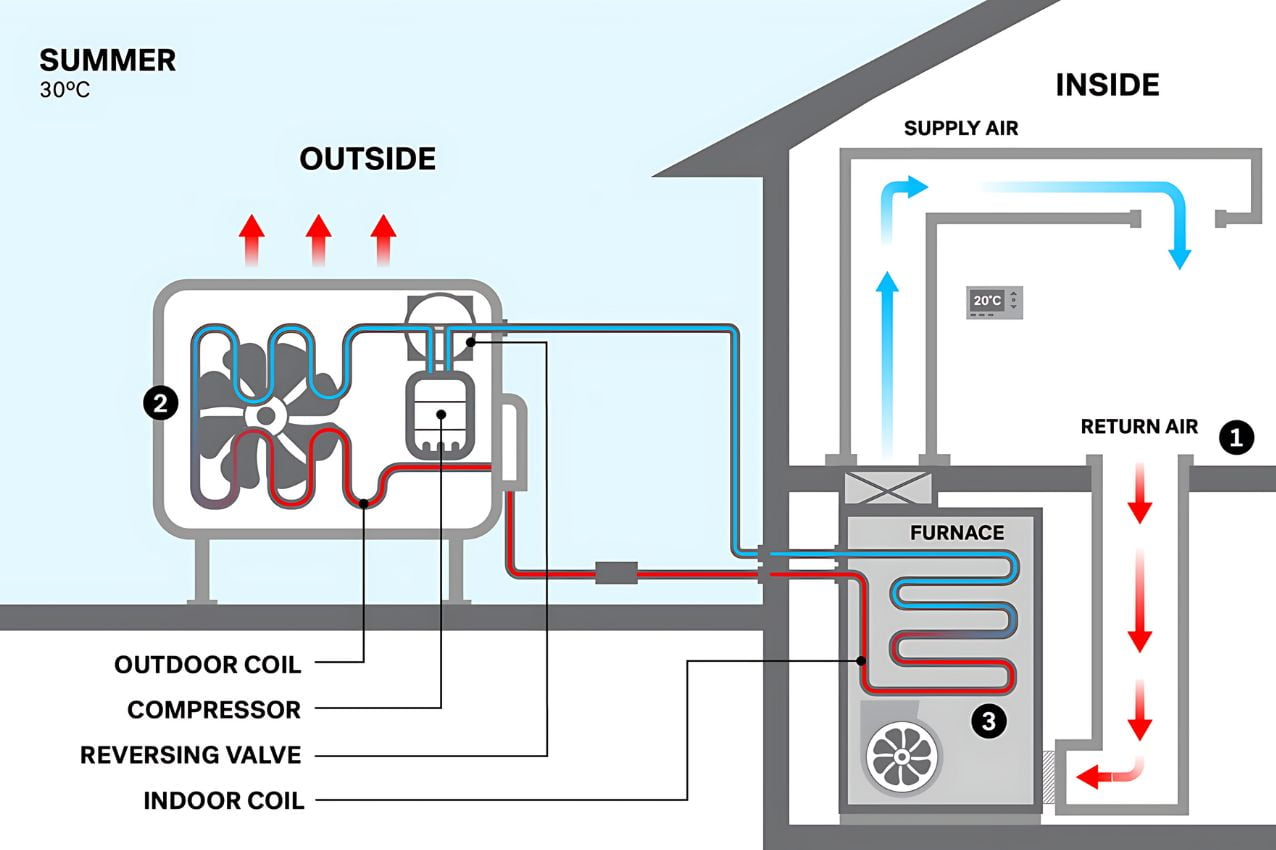
Cooling Operation
1. In cooling mode, the heat pump works just like an air conditioner by first removing unwanted heat from the home.
2. The heated refrigerant flows towards the outdoor unit to get cooled.
3. Like the AC System, the cooler refrigerant flows through the indoor coil, cooling the indoor air while absorbing the heat. This process is repeated to cool the home.
Wall mounted heat pump thermostat required
Extract Heat From Outdoor Air
Heating Operation
1. In the wintertime, the cycle is reversed where the heat pump pulls heat from the outdoor air and is absorbed by the refrigerant.
2. The heated refrigerant flows through the furnace and a blower circulates the warm air throughout the home via the duct system
3. Cool air from indoors is pulled from the ductwork. The cooled refrigerant returns to the outdoor unit. The process is repeated to warm the house.
Wall mounted heat pump thermostat required
Unique to Heat Pumps
Reversing Valve
- Changes the direction the refrigerant flows, allowing the system to transfer heat from outside to inside the home
Snow Stand
- Raises the unit off the ground preventing any snow or ice from building up below the unit and allowing the heat pump to function into freezing temperatures
Extract Heat From Outdoor Air
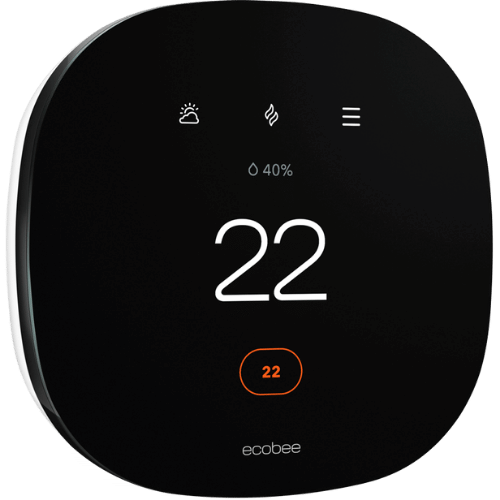
Get more out of your home, with ecobee Smart Thermostat and Smart Sensors
Learn about how you can get more from ecobee’s Smart Thermostat and SmartSensors with the installation of your heating and/or cooling system. Discover features like scheduling to help reduce energy consumption and SmartSensors to personalize your home comfort. Stay updated with alerts and reminders, and enjoy seamless integration with most major smart home ecosystems. Now that’s home comfort with Enercare and ecobee.
Licensed Technicians
Better Option for You
Here are just some of the reasons why Mitra Innoavtions is the best choice for your heat pump:
- We carry high-efficiency heat pump solutions from industry-leading manufacturers
- We’ll help you find and customize the right heat pump system for the size of your home and your family’s needs.
- We’re installation experts. We hire only licensed technicians and secure all permits in advance to speed up the work. And our installers will respect you and your property while in your home.
- No surprises. The price we quote is the price you pay, including full installation.
- We offer a range of payment and financing options to fit your budget.
Free Custom
Heat Pump Quote

FAQ
Frequently Asked Heat Pump Questions
In most cases, yes. A central heat pump can be integrated into your existing system and even fully replace your air conditioner. A ductless heat pump won’t connect directly to your existing system, but it can be used to provide complementary heating and cooling in a specific space.
It depends on the climate where you live, but in general, no. While there’s no temperature limit to a heat pump’s cooling ability, they become less effective and efficient at heating the colder it gets outside. On very cold days, you might want to switch to your furnace, which will likely be more efficient at low temperatures than your heat pump.
Heat pumps run on electricity rather than by burning fossil fuels, which helps reduce their carbon footprint. They’re also more energy efficient than many resistance-based electric heating sources, such as furnaces and baseboard heaters.